
| District | Ambalangoda |
|---|
Arts & Crafts
Practical Puppet-Watching Experience: The Puppeteer’s Secrets
$36.00
The Puppet’s Anatomy: Craftsmanship & Materials
- Welcome & Introduction: You are welcomed into the family’s small workshop or heritage museum/studio. The master puppeteer introduces the history of Rukada Nātya, explaining its origins and connection to local folk opera (Nadagam) and ritual dances (Kolam).
- Material Insight: You are shown pieces of Kaduru wood (a light, soft wood ideal for carving) and the tools used. The host demonstrates the process of carving a puppet’s head and limbs, and how the various parts are joined using cord or wire to create movable joints.
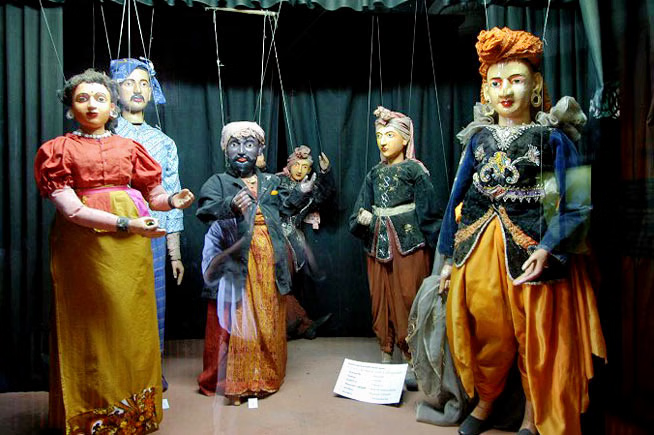
- Costume Craft: Learn how the female members of the family traditionally sew the intricate costumes, which reflect historical periods or character archetypes (King, Queen, Nobleman, Villager, Jester).
II. Hands-On: The Art of Manipulation
- The Control Bar: The master explains the control bar (or crossbar) where the various strings are tied. You will learn that complex puppets can have up to 19 strings, while simpler characters use 4 to 9.
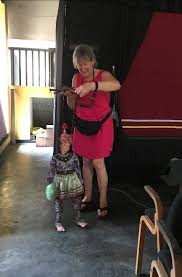
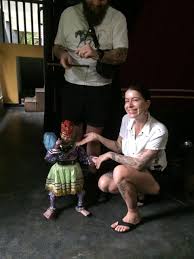
- Basic Movement Practice: You are given a simple, lighter puppet (such as the comic Jester or a Village Girl) with fewer strings.
- Task 1: Walking: The puppeteer guides you to move the strings on the control bar to make the puppet appear to walk naturally across a miniature stage platform.
- Task 2: Gesture: Practice simple, expressive movements like making the puppet bow, wave its hands, or dance to a drumbeat. This is often the most challenging part, requiring a delicate, fluid hand.
- The Puppet’s Voice: Learn how the puppeteer stands on a raised platform behind a curtain, and how they use a higher-pitched voice to recite the handwritten scripts (dialogues and songs).
III. Cultural Context and Storytelling
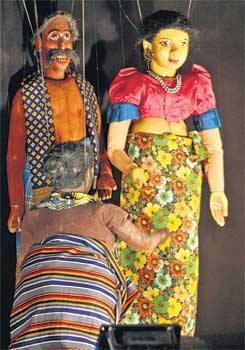
- Character Lore: Explore the collection of puppets, focusing on key characters like Jasaya and Lenchina (the humorous village couple), various Raksha (Demon) figures used for satire, and heroic figures from Buddhist tales (Jataka Stories).
- The Message: Discuss how Rukada Nātya was traditionally used not just for entertainment, but also to convey moral lessons, social satire, and to preserve historical narratives for the community.
IV. The Finale: A Live Miniature Performance
- Private Show: The family performs a short, lively Rūkada Nātya segment (usually 15-20 minutes) just for your group. This often features a captivating dance sequence and a humorous skit by the jesters, accompanied by live traditional music (drums, violin, or harmonium).
- Souvenir: As a memorable takeaway, you might be offered a miniature, hand-carved puppet or a small, painted puppet mask to take home.



Reviews
There are no reviews yet.